No Man's Sky Bases, power, and Cosmos orbitals
From a Base Computer on dirt to solar grids, industry, settlements, asteroid star-bases, and decorated stations.
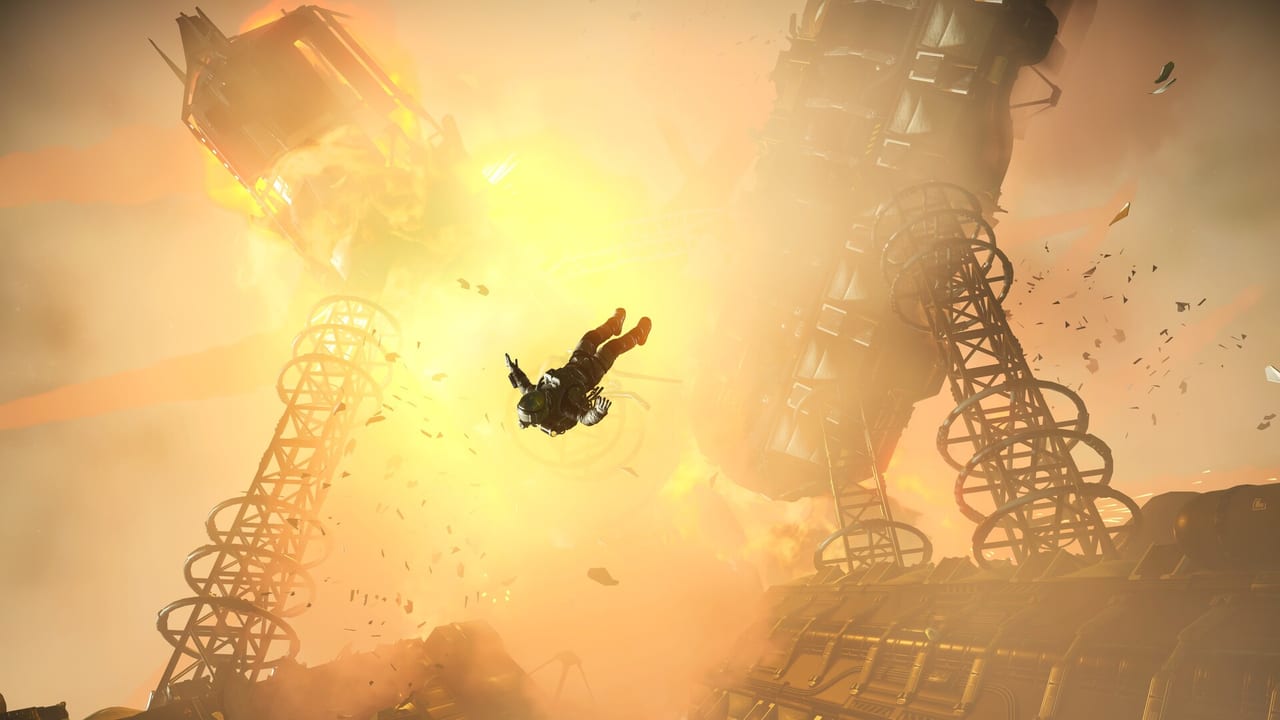
A base in No Man’s Sky is a teleport pin with storage attached. It can also be a sky palace, a gas mine, a settlement you accidentally became mayor of, or — after Cosmos 7.0 on 9 September 2026 — a free-floating orbital and a space station you direct. New Travellers skip the pin and jump to the palace. Then they cannot get back, cannot power a refiner, and cannot remember which planet the palace was on. This page is the order that actually works.
If you have not repaired the Pulse Engine yet, finish Getting Started. If snap placement is fighting you, fix Controls (build camera, free placement) before you blame the parts list.
Base Computer first, pretty second
Craft or place a Base Computer on a planet you would not mind seeing again: mild weather, not extreme sentinels, preferably with a resource you care about. Claim the site, upload it, and drop a Save Point. That is a base. Everything else is optional.
Build parts come from Salvage Data (buried technology), the Anomaly blueprint vendors, and expedition unlocks. Early wooden and concrete kits are enough for a hut. Glass and alloy can wait. Stay inside the build limit; pieces placed past the cap vanish after a reload, which is how sky-base horror stories start.
Pick biomes with a job. A paradiso planet is a scanner farm. A radioactive world is a storm-crystal camp. A frost planet with dual gas deposits is an industrial candidate. Do not found your first camp on the crash site unless the crash site is genuinely kind. The galaxy has 18 quintillion other lawns.
Power: solar plus battery is the whole trick
Most useful parts want power. Solar panels generate during the day. Batteries store the surplus for night. A small grid — several panels feeding several batteries — runs a teleporter, lights, and a base-scale refiner without Electromagnetic generators or a degree in wiring. Place the teleporter near the landing pad, not in a basement you will forget.
Biofuel generators work as a tutorial and then become a chore. Electromagnetic hotspots are the late upgrade: survey with the Multi-Tool’s survey visor, plant a generator on the hotspot, and you have 24-hour power for industrial extractors. Until you have that visor upgrade and a reason, solar plus battery is enough.
Wire from the power icon on a battery to the part. If a teleporter is dark, it is unpowered, not broken. Interior lights and farm plots can wait until the teleporter is green. The difficulty slider can make power free; leave it on Standard for a first save so you learn the grid.
Teleporter, storage, then industry
A powered Base Teleporter turns every camp into a fast-travel node and links to space stations, the Anomaly, and other bases. That is the real reason to build. Storage containers (0–9) are a shared bank across bases; build the numbered set once and they appear everywhere you have a matching container. Do not invent a new numbering scheme per planet.
Industry starts with mineral and gas extractors on hotspots, supply depots, and supply pipes. Survey, extract, store, teleport the stacks out. This is how Stasis Device factories begin, which is how late-game Units stop depending on storm crystals. It is not how hour three should look. One extractor on Copper or a local gas is a good second-week project.
Farms — frostwort, gamma root, gutrot — belong next to those extractors if you like crafting. Hydroponic trays need power. Outdoor plants need the right biome. Keep the first farm small enough that you still play the game.
Settlements, then Cosmos space architecture
A settlement is a planetary town the game asks you to manage: decisions, sentinels, productivity. It is not a Base Computer camp. Accept one when you can spare the attention, because a neglected settlement pings forever. The local race — Gek, Korvax, Vy’keen, or later Autophage flavour — colours the architecture more than it changes the loop.
Only after the planetary loop is boring should you spend a weekend on Cosmos construction. Update 7.0 lets you place orbital bases anywhere in space, park asteroid star-bases in belts, and take player-owned space stations as director. Decorate the concourse, set up alliance flags, and treat the station as a lobby for multiplayer friends. That is the fantasy. The dependency is still a teleporter you can reach from the Anomaly and a Corvette that can dock without clipping a window you placed in the landing envelope.
Sky bases over a pretty planet remain a screenshot hobby. Glitch launches from crystal sulphide vents still work for some players; they are optional and they are not required now that orbital placement is an official Cosmos tool. If you want a floating home, read the Cosmos notes and place it in space on purpose instead of fighting gravity on a vent.
Corvettes blur the line. A workshop hull with a bed, a refiner, and a porthole is a base that moves. Build the dirt camp first so you always have a teleport pin if the Corvette is in another galaxy. The Ships and Corvettes page covers the seven mandatory parts; this page asks you not to skip the Base Computer because the Corvette feels cooler.
Expedition rewards include decals, posters, and an astronaut bobblehead that belong on a shelf, not in an unpowered hut. Expeditions copy those cosmetics to the main save through the Anomaly. Put them in the orbital lounge after the lounge has power.
A finished base is one you can leave for a month and still understand. Teleporter at the door, batteries labelled by a row of panels, storage 0–9 against a wall, extractors named in the teleporter list. Cosmos stations and asteroid camps are the encore. The Guides Hub will still send you back to scanners and melee-boost when the wiring is done. Concrete is optional. The pin on the galaxy map is not.
Frequently Asked Questions
Quick answers Travellers search for after Cosmos.
What does a first base actually need?
A Base Computer, a Save Point, solar panels, batteries, and a teleporter. Landing pad optional. Industry and glass corridors wait until you can warp. Start with Getting Started if you do not own a computer yet.
How do I power a teleporter?
Place solar panels feeding batteries, then wire the battery to the teleporter. If it is dark, it is unpowered. Electromagnetic generators are a later hotspot upgrade, not a first-camp requirement.
When should I build orbital or asteroid bases?
After a planetary camp works. Cosmos 7.0 added orbital construction, asteroid star-bases, and owned stations. Read Cosmos for the feature list, then decorate.
Are sky-base glitches still required?
No. They remain a screenshot trick. Official orbital placement in Cosmos is the supported way to live in the sky. Build camera and free placement are in Controls.
How do settlements differ from bases?
Settlements are NPC towns you manage. Bases are your parts on a computer. You can have both. A Corvette is a third option: a moving camp assembled at the workshop.
Where do expedition decorations go?
Claim them on the Anomaly after Expedition 23 (or any season), then place posters, decals, and the astronaut bobblehead in a powered room so they are not floating in an unlit box.